Cups & Objects · Object
The latte glass
A transparent vessel that makes colour, foam and mixing visible.
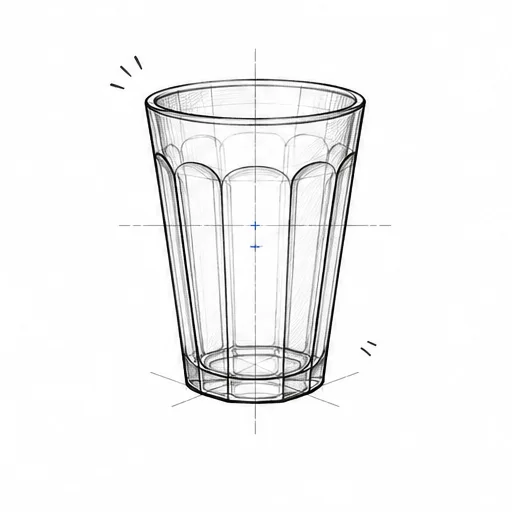
Recognise the form
Latte service can use a straight-sided tumbler, a tapered glass or a handled glass cup. Around 200–350 mL is a useful orientation for many examples, with larger vessels needed for iced drinks. A small piccolo glass belongs to the same visual family at another scale.
What the glass reveals
The pale body of the drink, darker coffee traces and foam at the rim become part of its presentation. Layers may look appealing before stirring, but they should not be mistaken for permanent ingredient proportions. A stirred drink gives a more uniform taste from top to bottom.
Use it with
Latte, piccolo or iced latte, with a size appropriate to each recipe. Use glassware intended for the drink's temperature and handling conditions. Ordinary drinking glasses are not automatically suitable for hot espresso or sudden temperature changes.
Single or double wall
A single wall gives a direct view of the liquid. A double wall creates the appearance of a suspended inner vessel and changes heat transfer. The double-wall glass has its own entry because construction matters as much as silhouette.